
She Leads
Breaking Barriers, Building Futures
Five Women Redefining Architecture in 2026
In an era where architecture confronts climate urgency, social equity, and technological evolution, these women lead with vision, resilience, and innovation. From poetic minimalism to community-driven sustainability, their work continues to shape skylines, institutions, and public life worldwide.

Founder of Studio Gang, Jeanne Gang remains at the forefront of climate-responsive design. Her signature undulating forms—like the iconic Aqua Tower—merge structural ingenuity with environmental performance, while recent projects emphasize adaptive reuse, ecological integration, and community empowerment. Honored in major influential lists and as a past recipient of awards like the Charlotte Perriand Prize, Gang exemplifies how bold architecture can address urban challenges without sacrificing humanity or aesthetics.
Co-founder of SANAA, Kazuyo Sejima crafts luminous, boundary-dissolving spaces that prioritize openness, light, and subtle interaction. Enduring masterpieces such as the Rolex Learning Center, Louvre-Lens, and Kanazawa’s 21st Century Museum continue to influence global institutional design. As the 2010 Pritzker Prize co-laureate (one of the few women ever awarded), Sejima’s minimalist yet profoundly experiential approach inspires architects to create environments that feel weightless and welcoming.

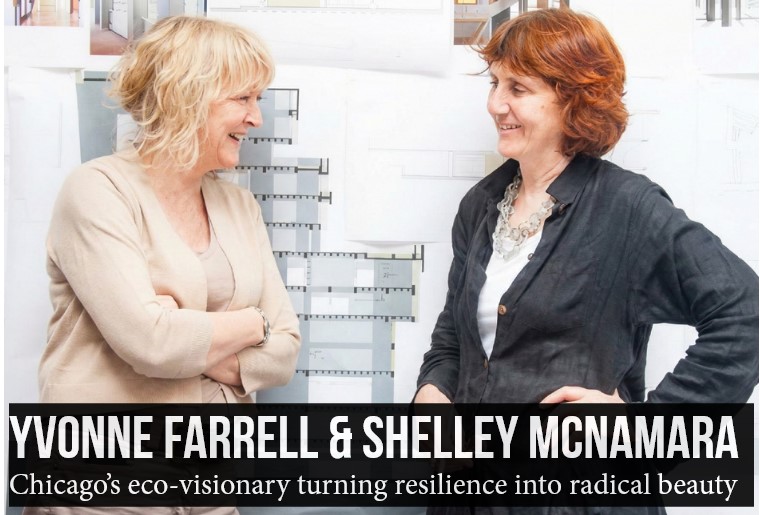
This acclaimed partnership delivers robust, context-rich buildings that celebrate materiality, light, and communal vitality. From the University of Limerick’s engineering complexes to the Stirling Prize-winning Kingston University Town House, their work fosters connection and cultural depth. As the 2020 Pritzker Prize recipients (the first all-female duo) and RIBA Royal Gold Medal winners, Farrell and McNamara set enduring benchmarks for thoughtful, people-centered public architecture.
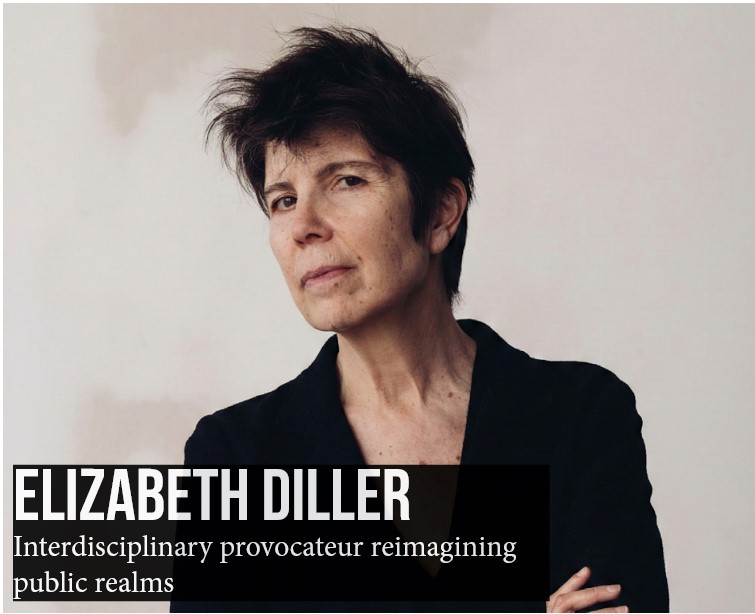
Co-founder of Diller Scofidio + Renfro, Elizabeth Diller fuses architecture with art, technology, and cultural critique. Transformative projects like New York’s High Line, The Broad Museum, and Lincoln Center’s redevelopment challenge conventions and create immersive, socially engaging environments. Consistently ranked among design’s most powerful figures by outlets like Dezeen and TIME, Diller drives architecture that provokes thought, integrates performance, and responds to contemporary society.

Through Tatiana Bilbao Estudio, she develops humane, adaptable architecture that addresses social justice and environmental needs. From low-cost housing prototypes and pilgrimage chapels to community complexes, her projects blend vernacular wisdom with modern innovation. Bilbao’s focus on inclusivity and place-sensitive practice has earned widespread acclaim, making her a vital voice for ethical design that prioritizes vulnerable communities and long-term resilience.
These architects represent a dynamic spectrum of excellence—poetic, monumental, activist, and innovative— while advancing gender equity and sustainability. As 2026 unfolds, their influence underscores architecture’s power to build not just structures, but more just and responsive worlds.