
Offbeat
The Genius of Islamic Motifs
Timeless Patterns in Contemporary Architecture
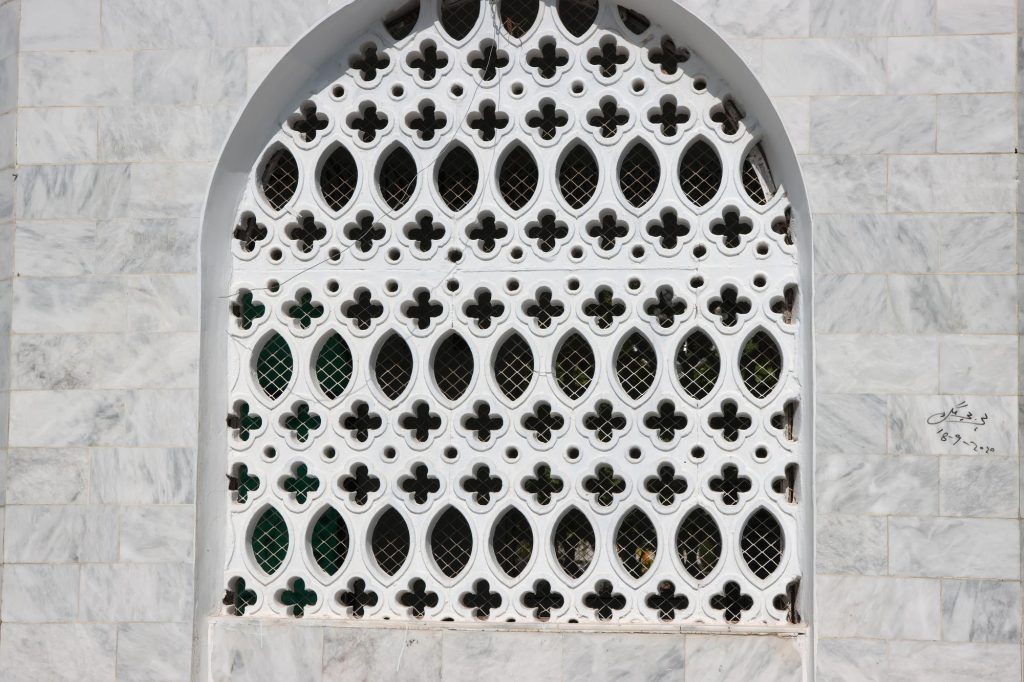
Islamic architectural motifs—geometric interlacing, flowing arabesques, intricate muqarnas, perforated mashrabiya, and sacred calligraphy—embody a profound fusion of mathematics, spirituality, and environmental wisdom. In modern design, these elements are reinterpreted through digital tools and sustainable innovation, proving their enduring genius in creating harmonious, functional, and culturally resonant spaces.
Islamic architecture’s brilliance stems from its deliberate avoidance of figurative representation in sacred contexts, channeling creativity into abstract forms that evoke infinity, unity, and divine order. Emerging from the 7th century across vast regions, these motifs draw on advanced mathematical knowledge—Islamic scholars pioneered developments in
geometry, proportion, and astronomy. The result is an architectural language where every pattern serves multiple roles: aesthetic, symbolic, structural, and climatic.
The Mathematical Foundation
At the heart of Islamic design lies geometric abstraction. Simple shapes—circles, squares, and polygons—interlace into complex, repeating tessellations like girih knots or star-and-polygon grids. These appear in historic masterpieces such as the Alhambra’s tilework or the Great Mosque of Kairouan, creating optical illusions of endless expansion that symbolize the infinite nature of creation and tawhid (God’s oneness). Far from decoration,
these patterns demonstrate structural logic and optical sophistication, influencing later figures like M.C. Escher and even modern quasi-crystalline discoveries.
In contemporary architecture, geometric motifs inform parametric design and sustainable facades. They enable precise solar shading, acoustic control, and visual complexity without material excess—perfect for addressing climate challenges.
Muqarnas: Structural Illusion and Spiritual Depth
Muqarnas, the three-dimensional “honeycomb” or stalactite vaulting, represent engineering poetry. Evolving from Abbasid innovations, they transition smoothly from square bases to domes or arches, distributing loads while producing cascading shadows and light effects that evoke celestial movement. Used in mihrabs, entrances, and domes, muqarnas turn static architecture into dynamic contemplation.
Modern adaptations use digital modeling and 3D printing to recreate muqarnas in lighter, sustainable materials. Contemporary mosques, such as those featured in recent
roundups of avant-garde designs, blend traditional vaulting with minimalist forms, maintaining spiritual resonance in secular or hybrid spaces.
Mashrabiya: Climate Intelligence and Privacy
The mashrabiya—intricate wooden lattice screens—offers practical genius for arid climates. Allowing breezes while blocking direct sun, they enable passive cooling through evaporative techniques (historically with water jars) and provide privacy without isolation. Their geometric perforations filter light into patterned glows, creating serene interiors.
This motif has seen widespread revival. Jean Nouvel’s Institut du Monde Arabe in Paris pioneered a modern mashrabiya with mechanically adjusting metal apertures for daylight control. Today, perforated facades echo it in skyscrapers, cultural centers, and healthcare buildings across the Middle East and beyond, reducing energy demands while symbolizing cultural continuity.Projects like the King Abdullah Petroleum Studies and Research Center use parametric lattices for shading, merging heritage with efficiency.
Arabesques, Calligraphy, and Symbolic Flow
Flowing vegetal arabesques represent paradise gardens and eternal growth, while calligraphy integrates Quranic verses directly into architecture, making buildings “read” sacred text. These elements add layers of meaning, turning surfaces into meditative experiences.
In today’s global context, architects like Zaha Hadid drew subtle inspiration from arabesque fluidity in her sweeping forms, while cultural institutions reinterpret calligraphy in illuminated or digital displays.
Contemporary Revival and Global Relevance
Recent examples highlight this renaissance. Modern mosques, as showcased in 2025 features, reimagine domes, minarets, and screens with bold minimalism— think seamless concrete muqarnas or modular prayer
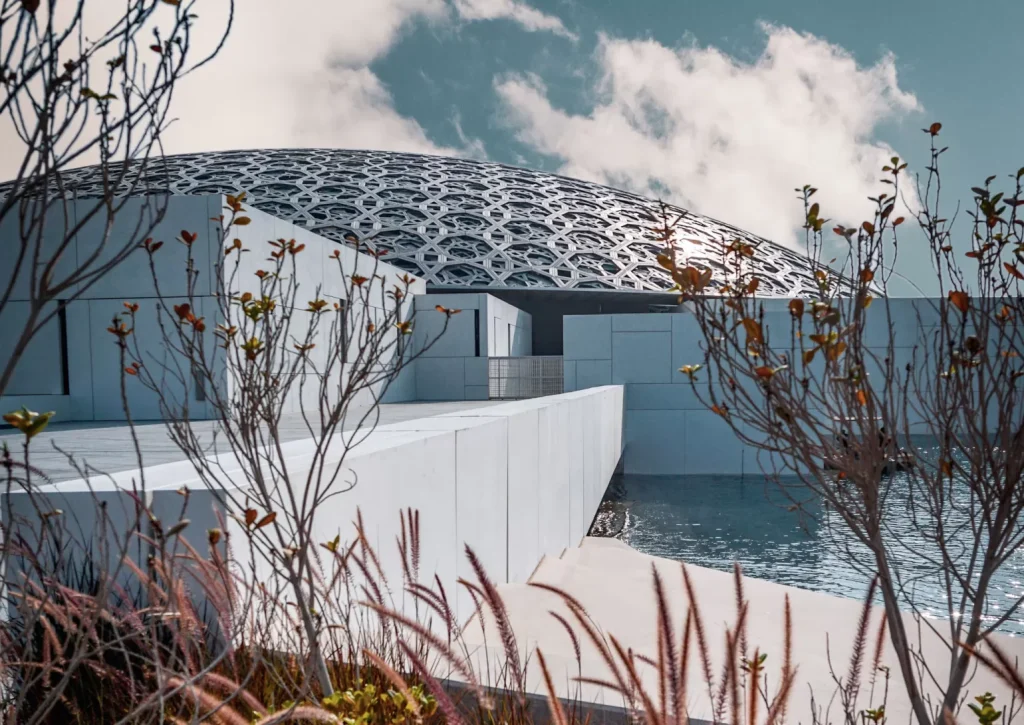
spaces using local materials like date palm waste. The Louvre Abu Dhabi’s vast perforated dome creates a “rain of light” akin to traditional lattices, blending regional heritage with futuristic scale.
These motifs thrive because they are adaptable: abstract yet profound, functional yet transcendent. In an age of sustainability and identity-seeking, they provide tools for responsive design—passive environmental control, cultural expression, and visual harmony. Parametric software now allows infinite variations, preserving essence while innovating.
The genius of Islamic motifs endures not as nostalgia but as living wisdom. They remind architects that true innovation often revisits timeless principles, where mathematics meets mystery, and patterns point toward something eternal. As the built world evolves, these elements continue to inspire buildings that are efficient, poetic, and deeply human.